Google recently rolled out a new version, or perhaps it would be more accurate to call it an upgrade, of its Nano Banana model, and the internet has been buzzing about it ever since. The new release, called Nano Banana Pro, quickly turned into a global phenomenon across social media and creator communities.
If you’ve spent any time online in the last few months, you’ve probably seen them everywhere: hyper-realistic 3D figurines of people, cinematic portraits that seem like they belong on a movie poster, and infographics that are so clean, so polished that you’d never guess they were AI-generated. And believe it or not, all of that came from the original Nano Banana.
Now, with the launch of its upgraded version, Nano Banana Pro, what started as a viral trend has become a full-blown creative revolution — and simultaneously, an “earthquake”. It feels like Google didn’t just release an update; they dropped a powerful new creative suite right into the hands of millions.
But before we dive into why the “Pro” version is such a big deal, let’s look back at the original model that laid the foundation.
Table of Contents
What is Nano Banana?
Even before the “Pro” version, Nano Banana was already a small revolution on its own.

Nano Banana is a state‑of‑the-art AI model at the cutting edge of image generation from Google DeepMind, capable of producing and editing images from natural‑language prompts with photorealistic quality, strong character consistency, and lightning‑fast turnaround.
Released to the public in late August 2025 through the Gemini app, it’s an AI that can generate and edit incredibly realistic images from simple text prompts.
Before its official release, Nano Banana was known internally as the codename for the model — a common practice in AI development to keep early testing under wraps (secret). Today, the model is officially called Gemini 2.5 Flash Image. While the codename still circulates in discussions and early reports, the official name refers to the finalized, public version of this versatile image-generation AI.
What Made It Instantly Famous?
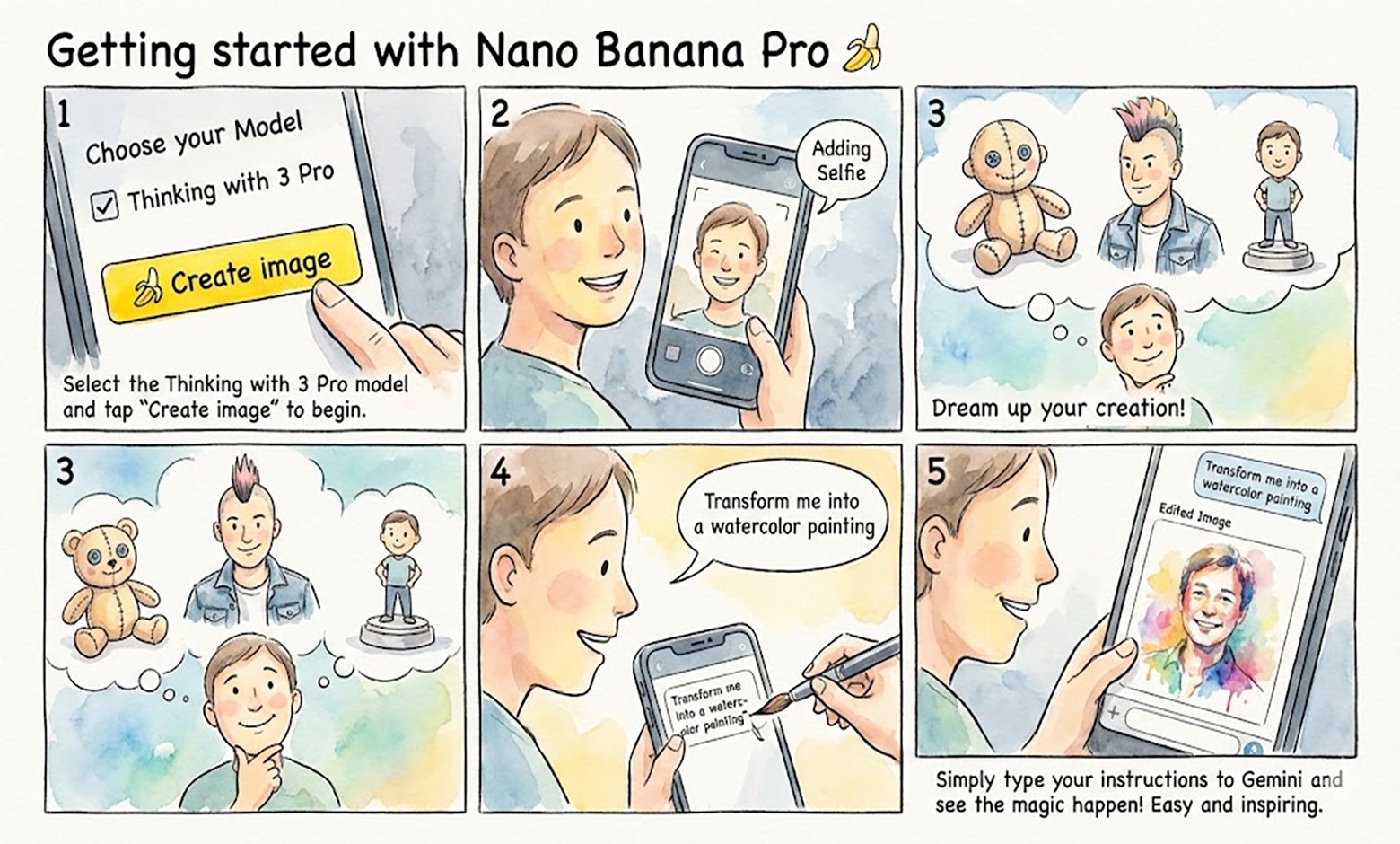
One of its standout features was the ability to transform real photos and selfies into creative, imaginative creations. Users could turn a simple headshot into a detailed “mini 3D figurine” or add artistic styles that looked professionally made.
This flexibility made Nano Banana a viral “hot tool” that quickly grabbed attention on social media, especially among younger users and content creators who love playing or experimenting with photos and visual creativity.
But it wasn’t just another AI tool; it was a cultural phenomenon. “We’re seeing a very big demographic shift in the app,” said Josh Woodward, the VP of Google Labs who leads the Gemini app, in an interview with Business Insider. Nano Banana was bringing a new wave of visually focused users to Google’s AI ecosystem.
What About Nano Banana Pro?
I’ve just covered Nano Banana (that’s Gemini 2.5 Flash) above, and it’s already powerful and appealing. But what about the Pro — has Google truly taken things to the next level, even making it “bigger” in many ways?
The answer is: Yes, Google has absolutely raised the bar with the new model.
Specifically, in late November 2025, just as the world were getting used to and comfortable with the original, Google unveiled Nano Banana Pro.
And this is neither a small tweak nor a simple incremental update.
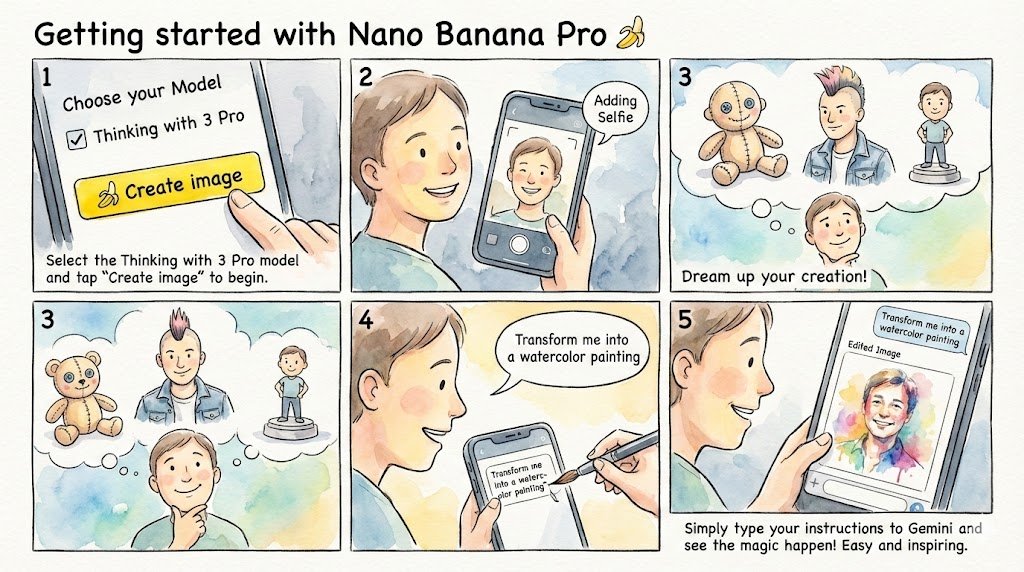
Officially named Gemini 3 Pro Image, this new version marks a monumental leap forward, addressing some of the biggest pain points in AI image generation and introducing capabilities that blur the line between casual creativity and professional design.
Standout Improvements in Nano Banana Pro
Better Image Quality / Ultra-High Resolution
The Pro version delivers crisp, ultra-high-resolution images with stunning detail, suitable for professional work.
It now supports outputs at 1K, 2K, or 4K levels — a big step up from the original Nano Banana’s roughly 1024px limit. This means sharper, more scalable visuals without loss of fidelity or quality.
Nano Banana Pro also offers flexible aspect ratios, including 1:1 (square for social posts), 3:2 (classic photo), 16:9 (widescreen for videos, banners, or cinematic posters), 9:16 (vertical for stories or mobile), 21:9 (ultrawide for immersive landscapes), and others such as 4:3, 4:5, or even custom ratios like 4:1. You can dynamically adjust ratios on the fly during edits, like expanding or cropping backgrounds while keeping subjects in place, ensuring seamless adaptation across formats.
This makes it great for all kinds of uses: high-res 16:9 posters and video thumbnails that stand out on YouTube or TikTok; detailed 2K/4K infographics for reports or presentations; scalable prints up to poster size without pixelation; or mockups for apps and websites that need precise proportions. These options help your creations fit any platform perfectly.
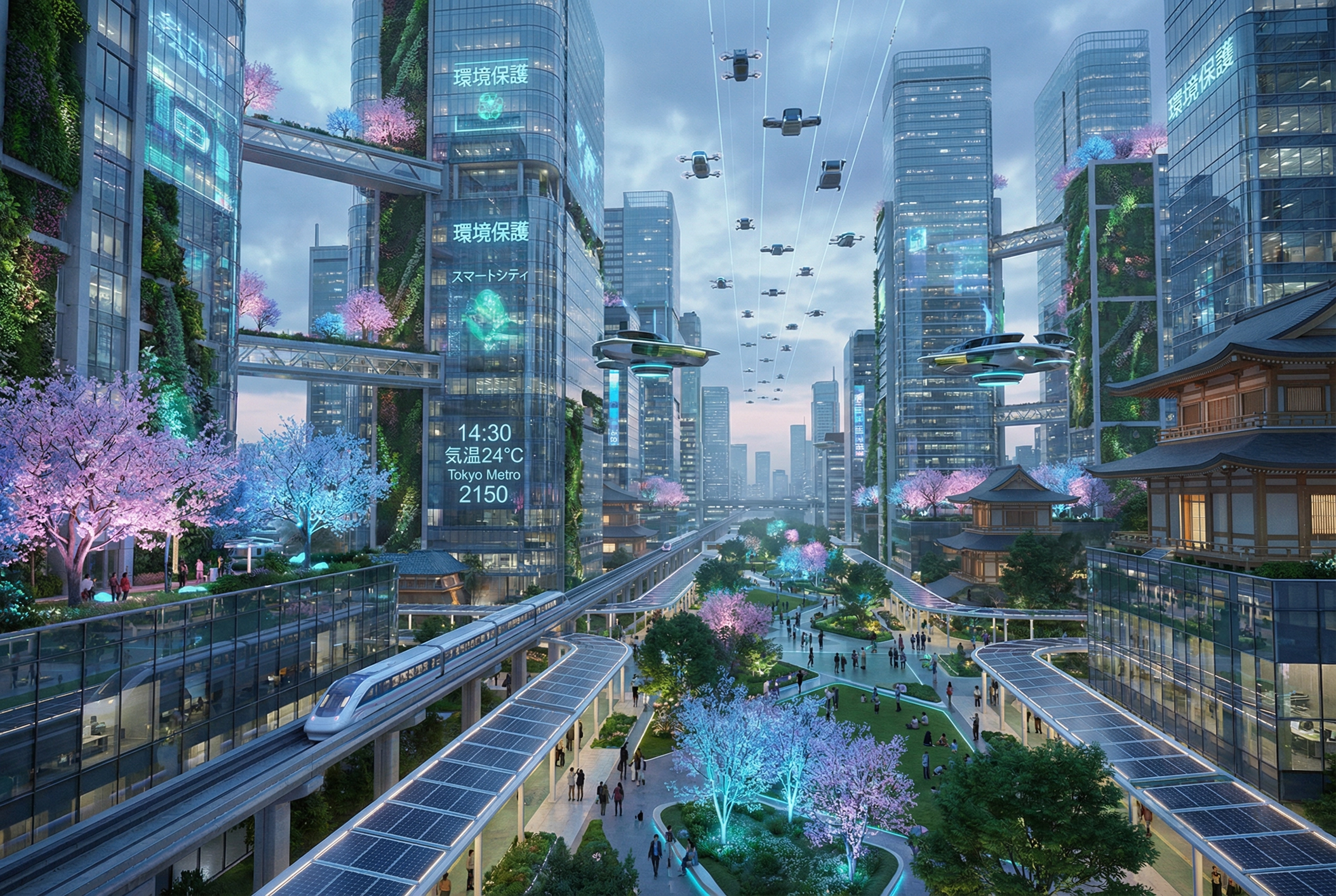
Overall, this shifts the model from a “social media toy” to a real part of design workflows. Designers, marketers, and creators who once rely on tools like Photoshop or Illustrator can now make production-ready assets with pretty much a single prompt.
Clear Text in Images, Supporting Multiple Languages
Finally, text that actually makes sense!
For years, one of the longest-running frustrations with AI image generators has been their inability to render coherent text (e.g., random letters, jumbled words, strange symbols). We’ve all seen those garbled letters and nonsensical words that ruin an otherwise perfect image.
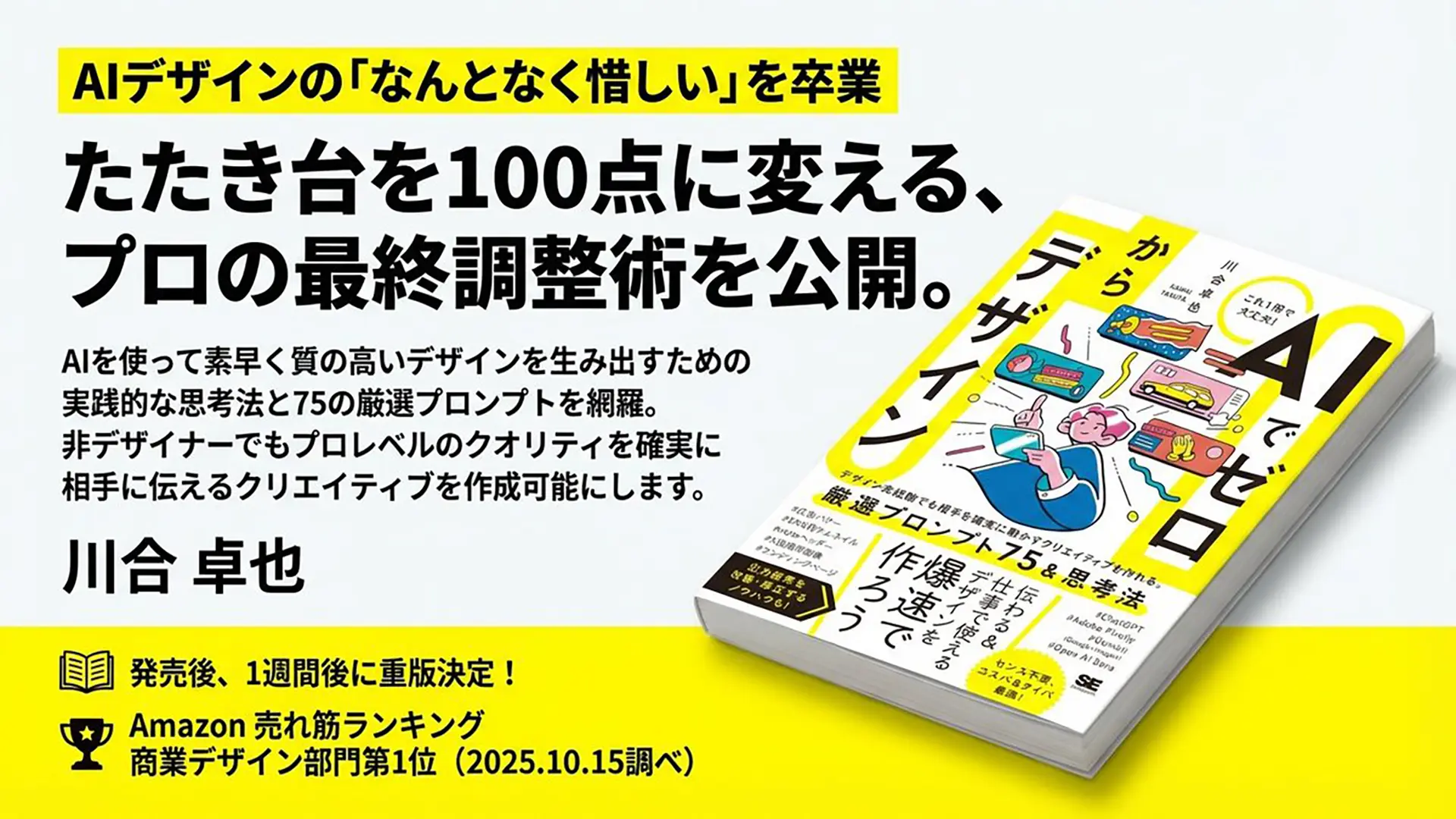
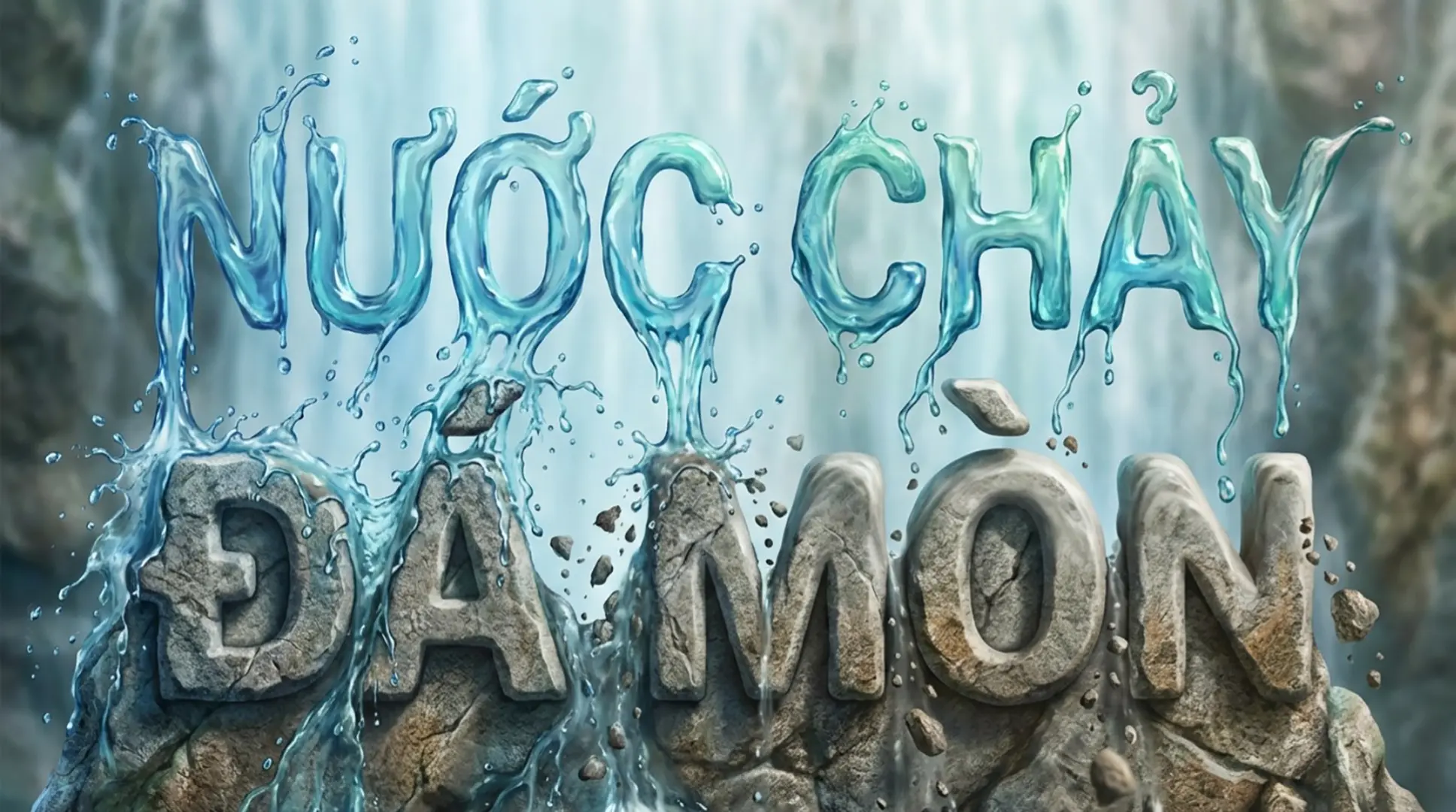
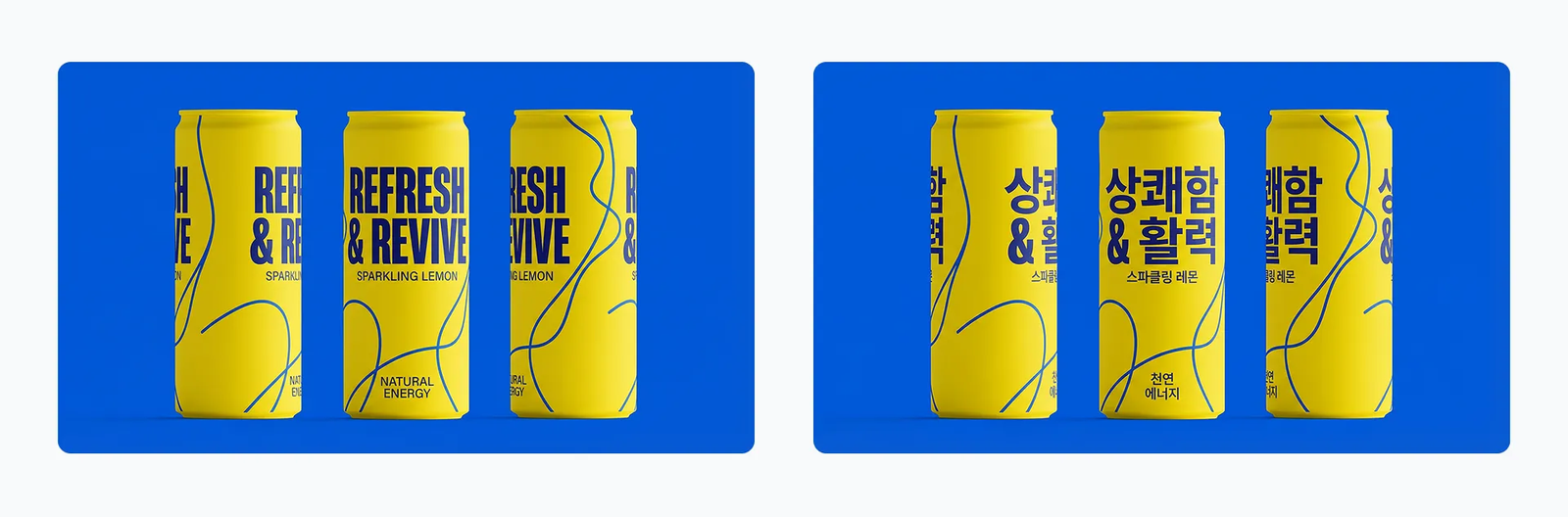
Nano Banana Pro fixes this. The model now generates crisp, legible text directly within images, maintaining correct spelling and formatting. This is huge and a game-changer for creating posters, infographics, mind maps, and marketing materials without needing extra graphic design software. Crucially, it supports a wide range of languages, including Chinese, Korean, Vietnamese, Japanese, Spanish, and German, making it a truly global tool.
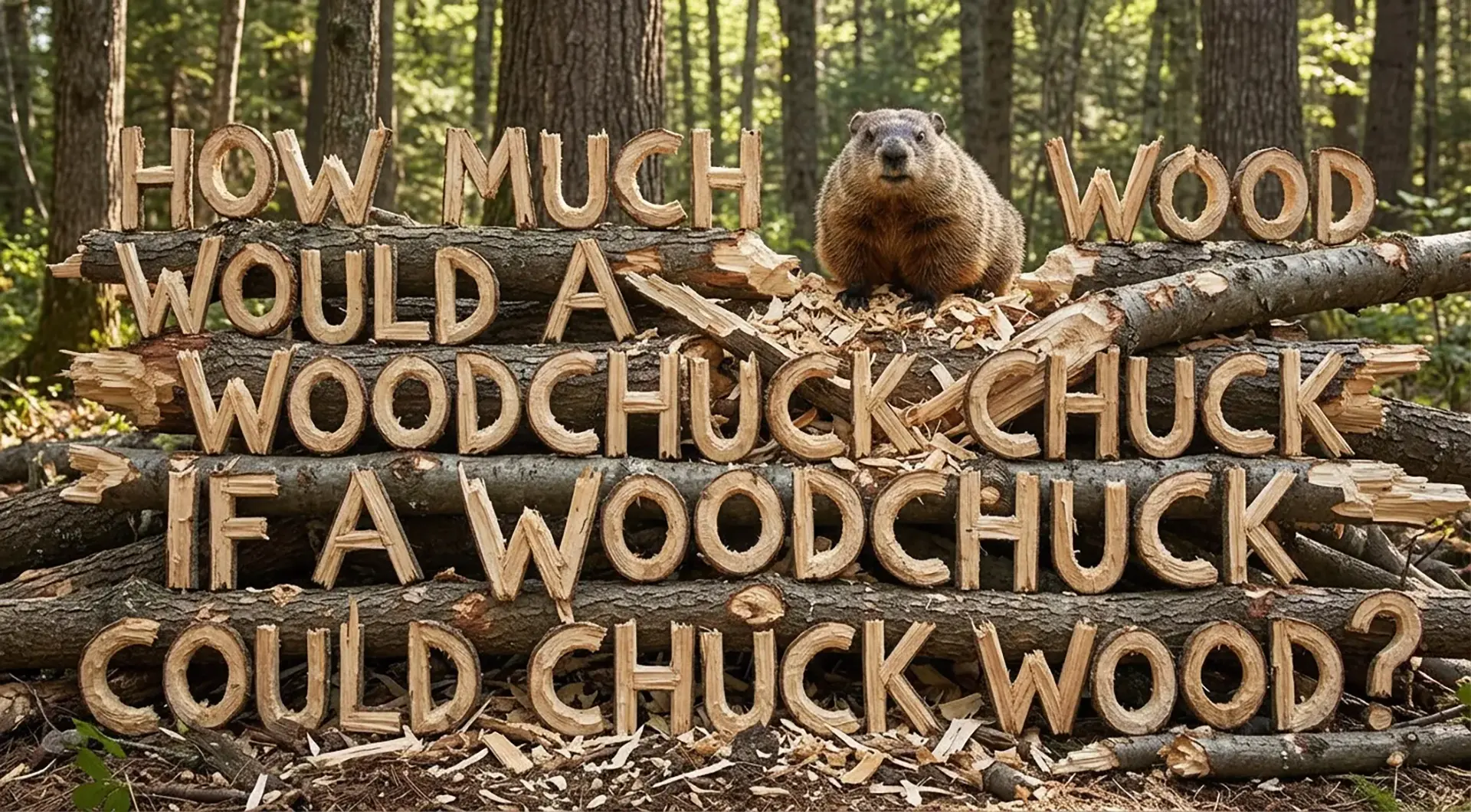
Prompt: “Create an image showing the phrase “How much wood would a woodchuck chuck if a woodchuck could chuck wood” made out of wood chucked by a woodchuck.”
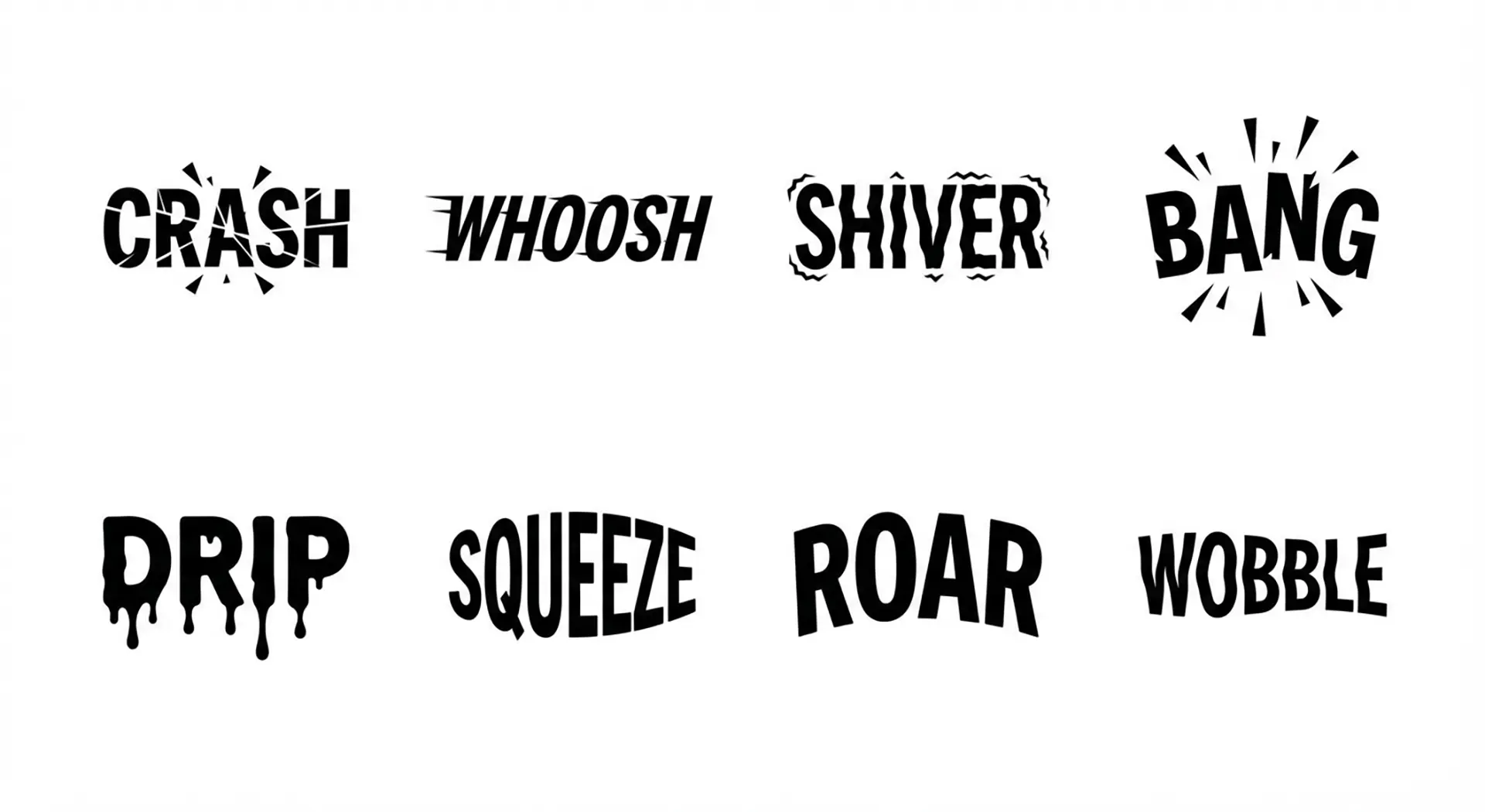
Prompt: “Make 8 minimalistic logos, each is an expressive word, and make letters convey a message or sound visually to express the meaning of this word in a dramatic way. Composition: flat vector rendering of all logos in black on a single white background.”
Plus, with its “Thinking” process, the tool can reason through your prompt before generating better, optimizing to fix logic errors compared to before.
This process adds a short delay, of course, but it’s totally not a defect — rather, it facilitates the complex reasoning, multi-reference image processing, and high-fidelity output necessary for demanding production workflows.
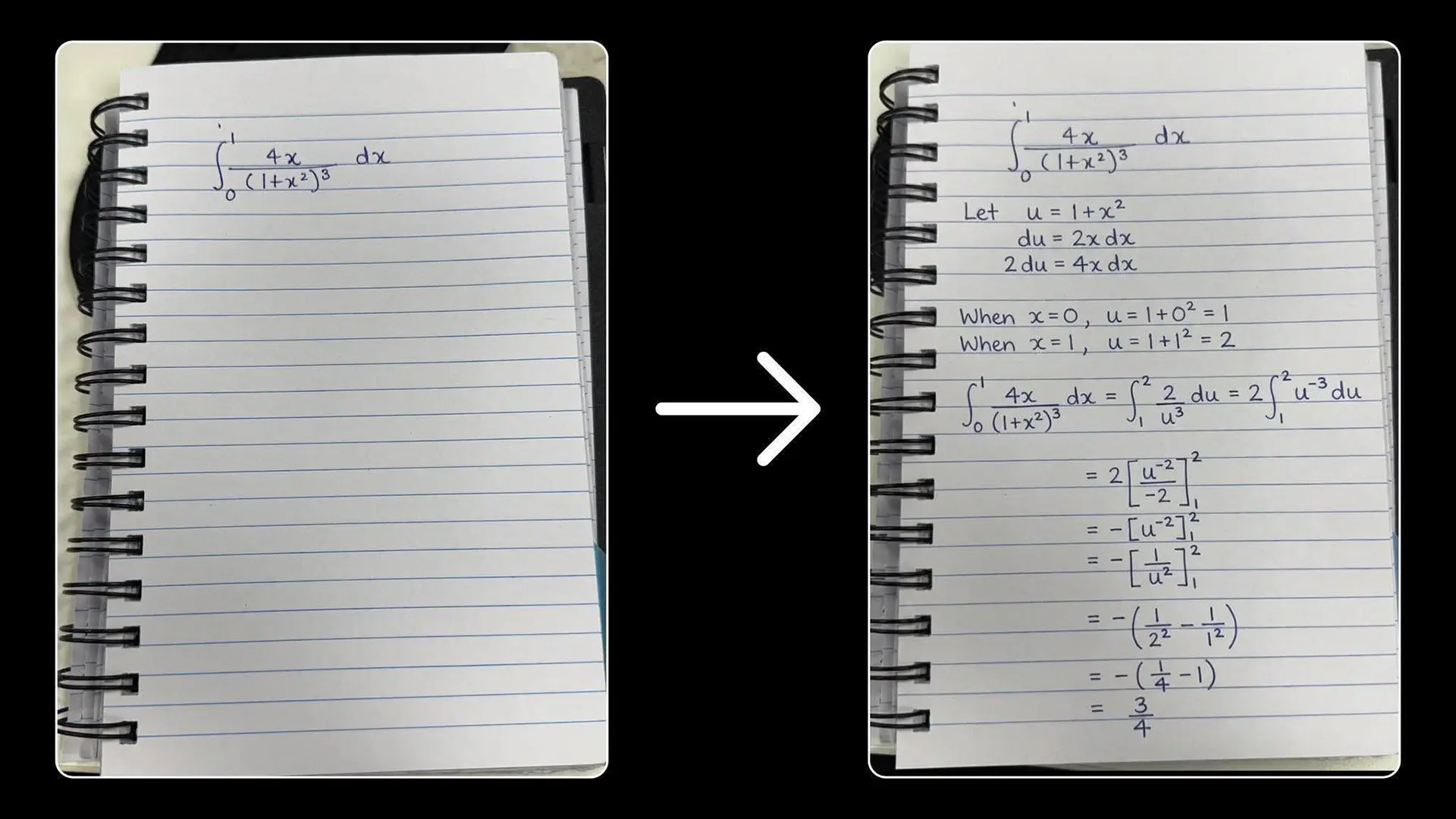
Evaluating the definite integral from 0 to 1 of four-x over (1 + x-squared) cubed, with respect to x.
Also, the model has web-searching capabilities, so you can do things like ask it to look up a recipe and generate flash cards, for example.
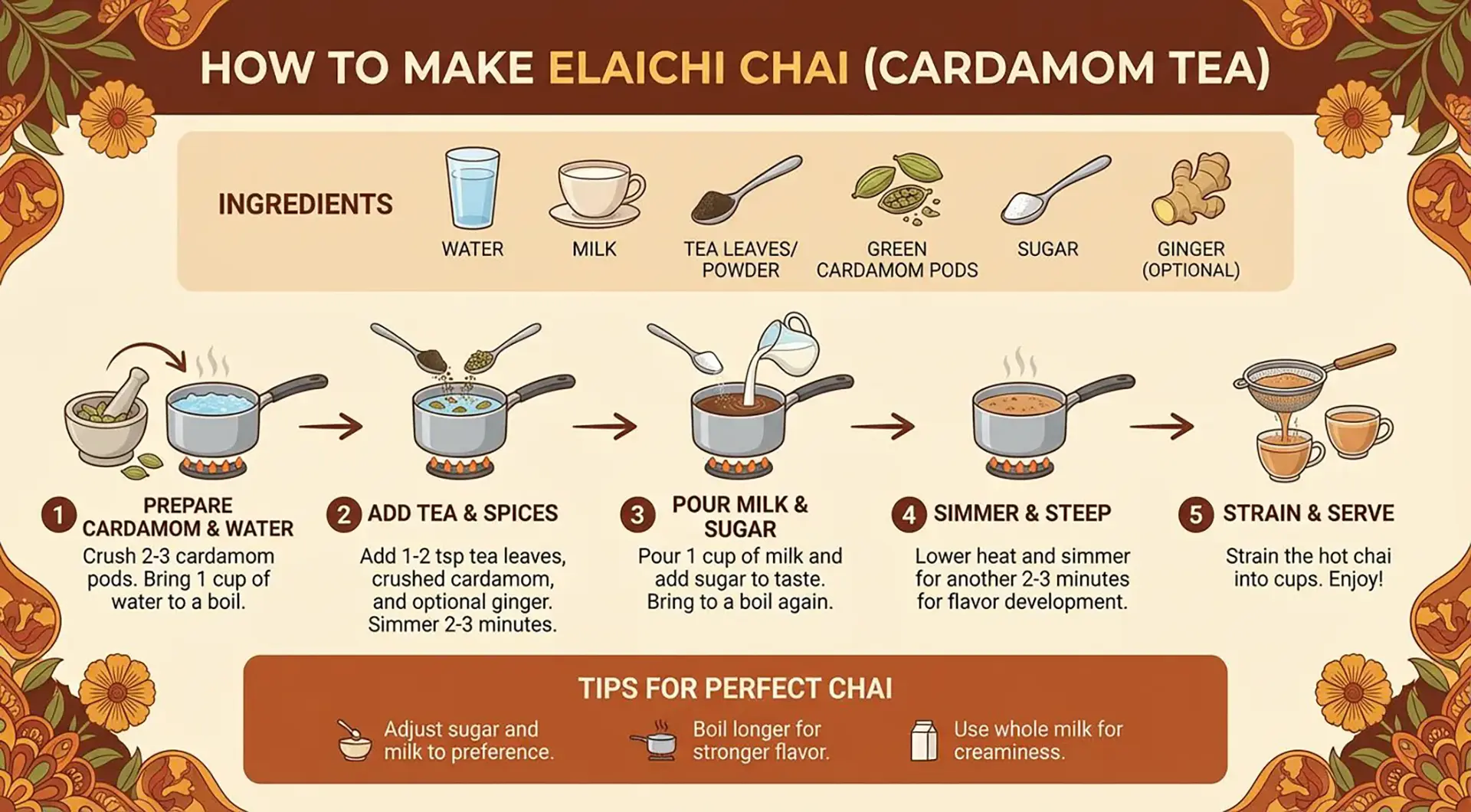
Prompt: “Create an infographic that shows how to make Elaichi Chai (Cardamom Tea).”
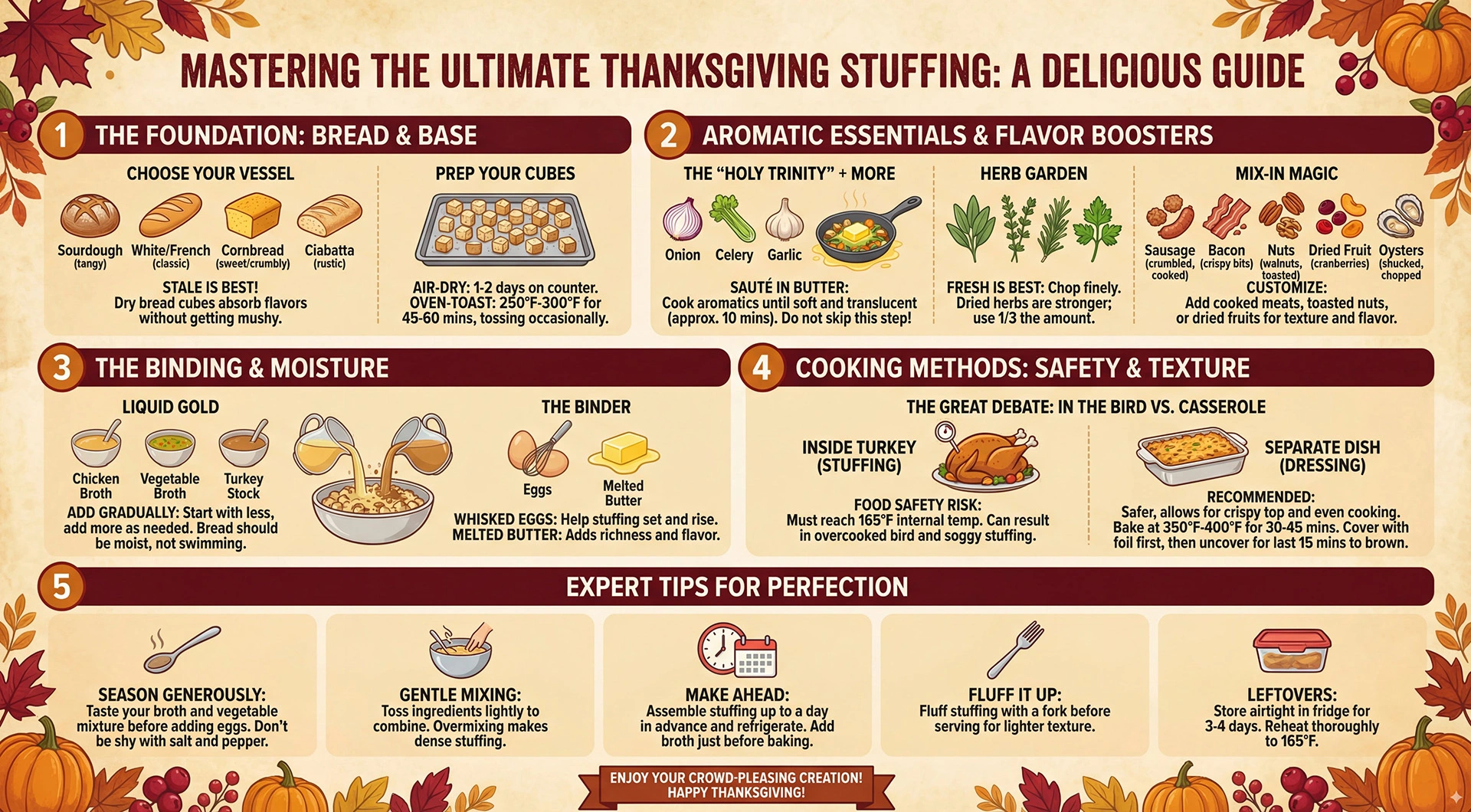
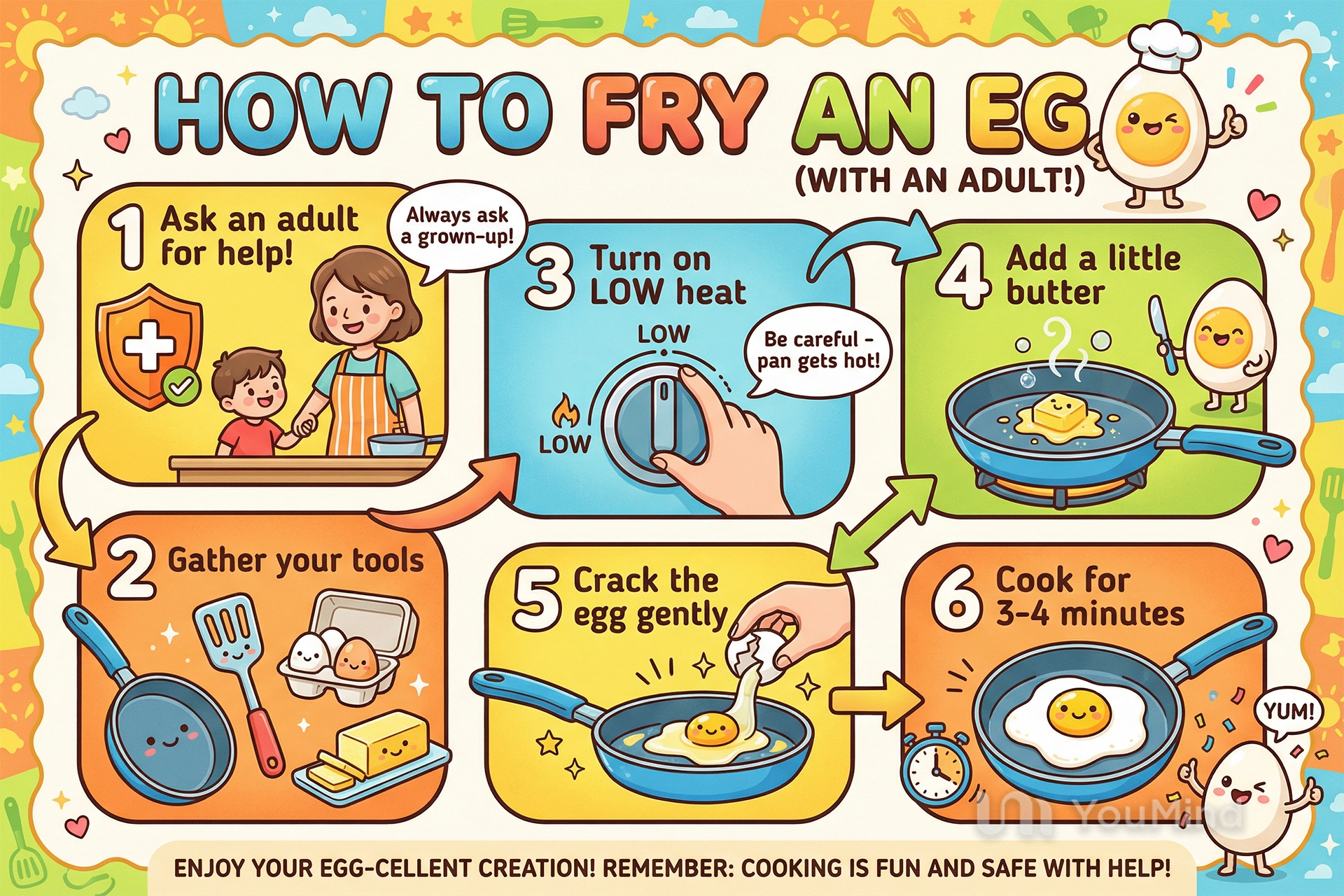
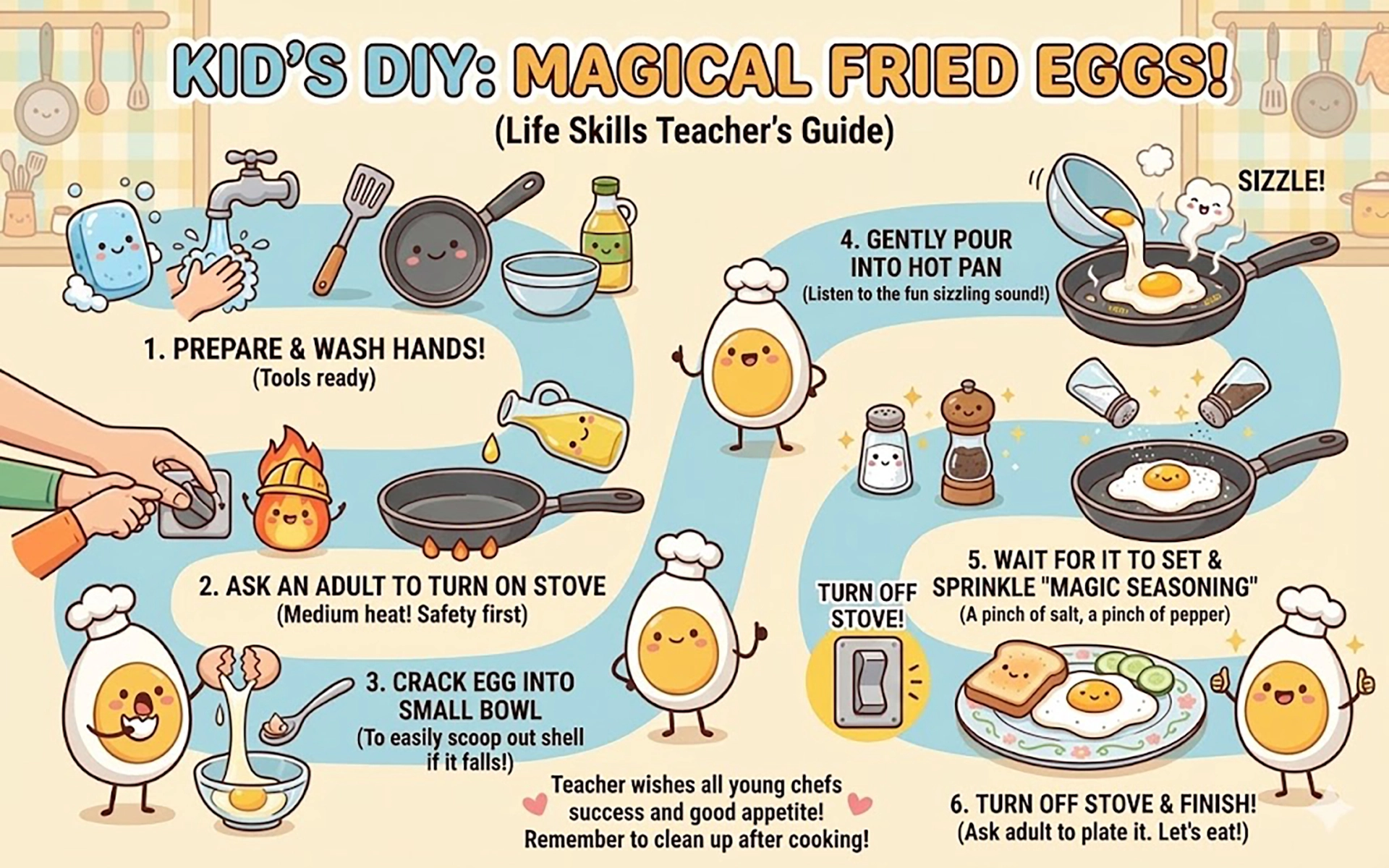
According to Google Cloud, Nano Banana Pro can use Google Search to research topics based on your query, and reason on how to present factual and grounded information.
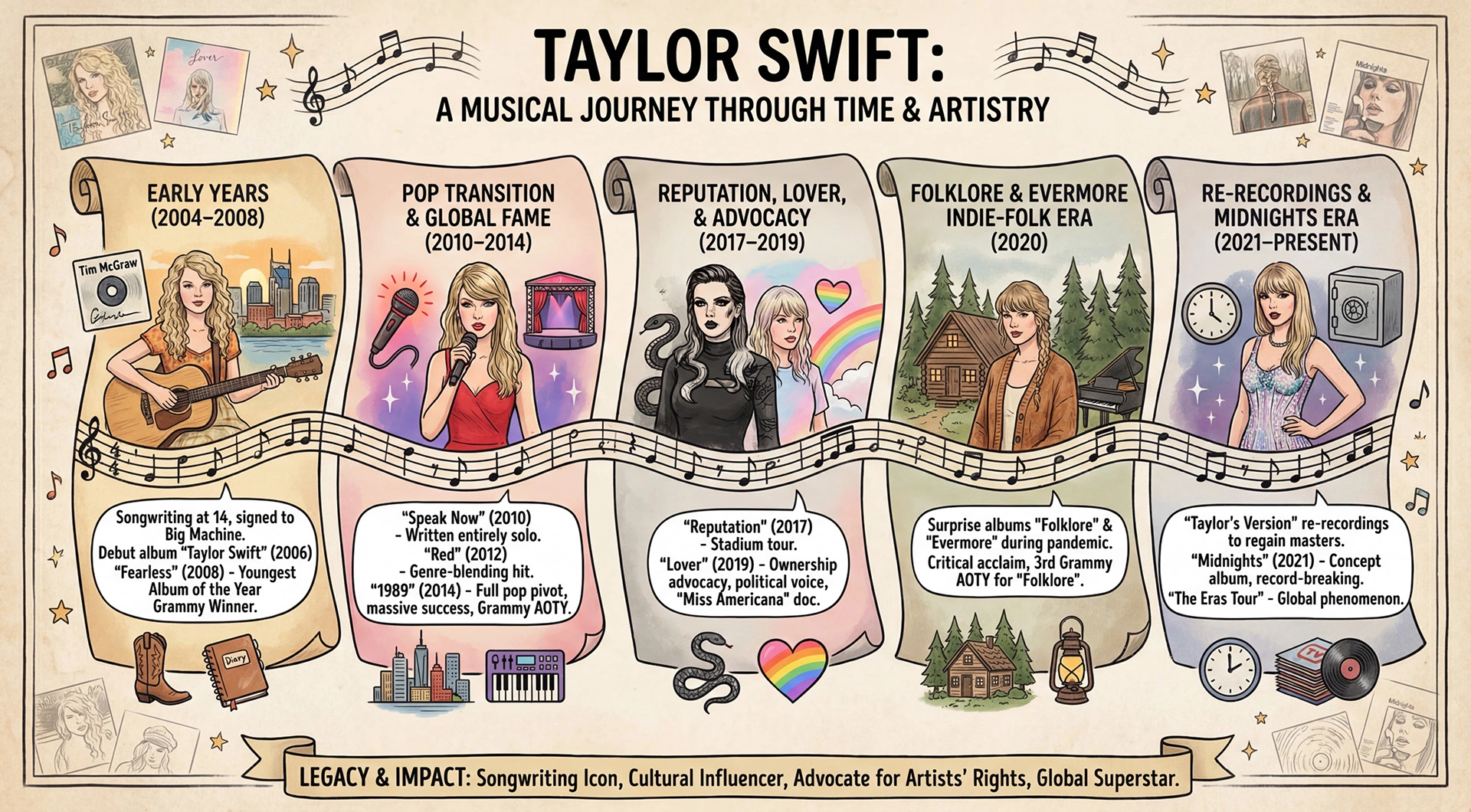
Better Character Consistency and Multi-Image Reference
Consistency has been another big challenge. Ask an AI to draw the same character in five different scenes, and instead, you’d often get five different-looking people.
Nano Banana Pro introduces remarkable character consistency. It can maintain a character’s appearance, clothing, and features across a series of images, even with different styles or backgrounds. Furthermore, it now allows users to provide up to 14 reference images as input. This lets the AI blend ideas from multiple sources into one cohesive output.
Technically speaking, the character keeps its clear identity, consistent across varying images/styles.
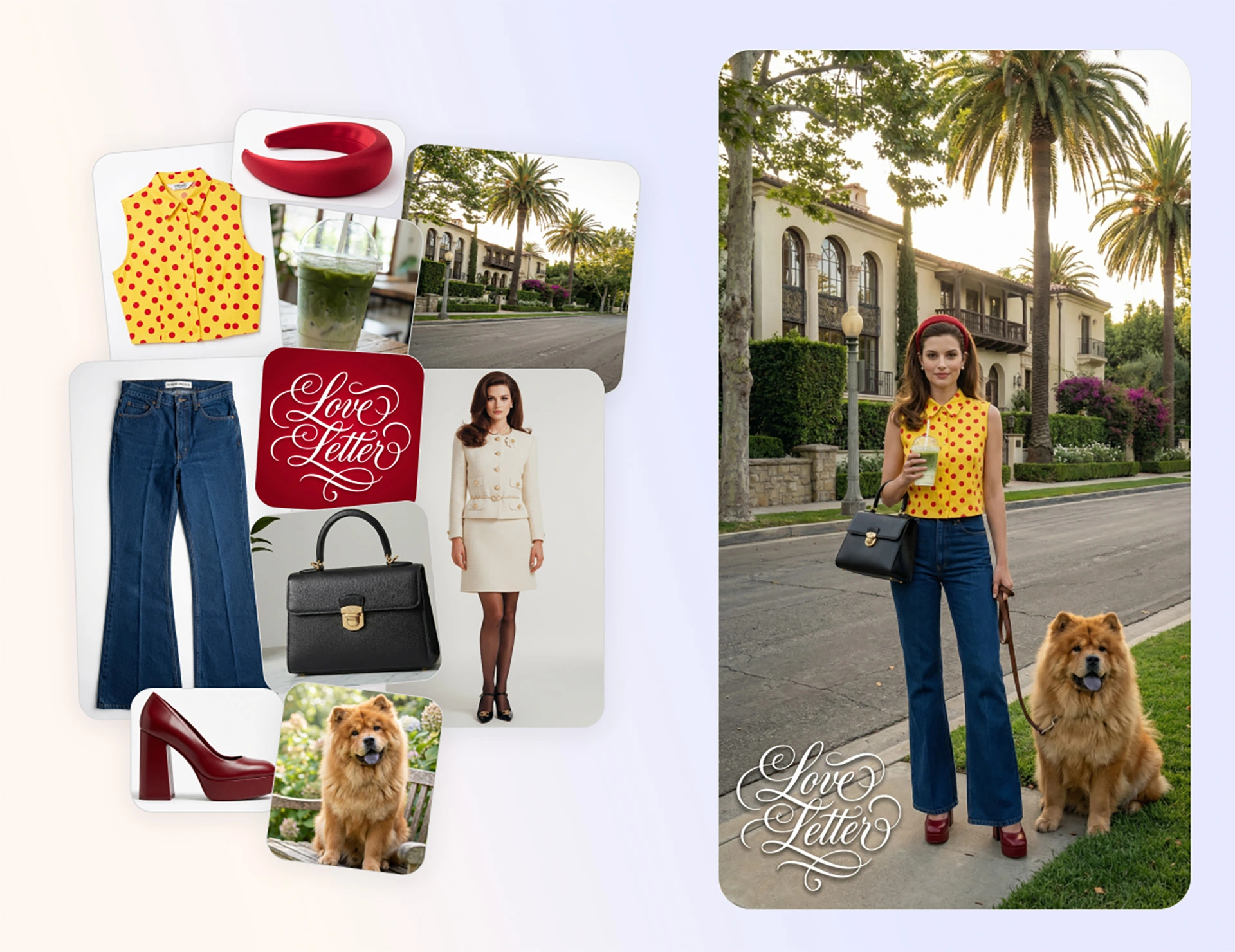
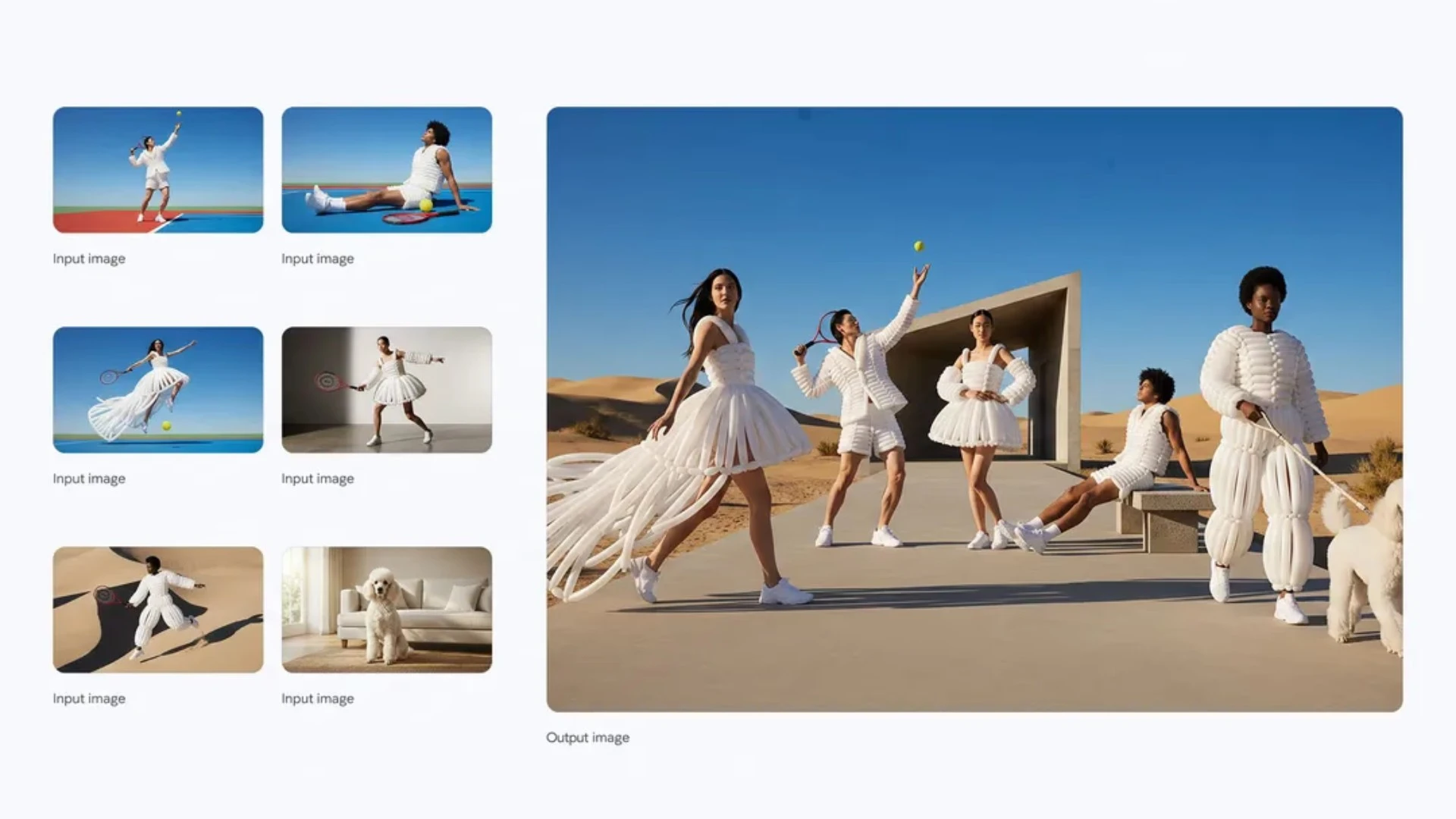
A More Powerful Creative Toolkit
From graphic design and infographics to free-form creativity, anything is possible. These upgrades turns Nano Banana Pro from a social media toy into a legitimate creative tool. It’s now powerful enough for:
- Graphic Design: Creating high-resolution posters, ad visuals, and marketing assets.
- Content Creation: Generating storyboards, concept art, and illustrations for articles or videos.
- Data Visualization: Designing clear and accurate infographics, charts, and diagrams.
- Product Mockups: Visualizing ideas for apps, websites, or physical products.
- Professional Use: Marketing teams, agencies, freelancers…
Even now, users can simply upload a room design sketch, and Google’s new tool can create an accurate image of that room.
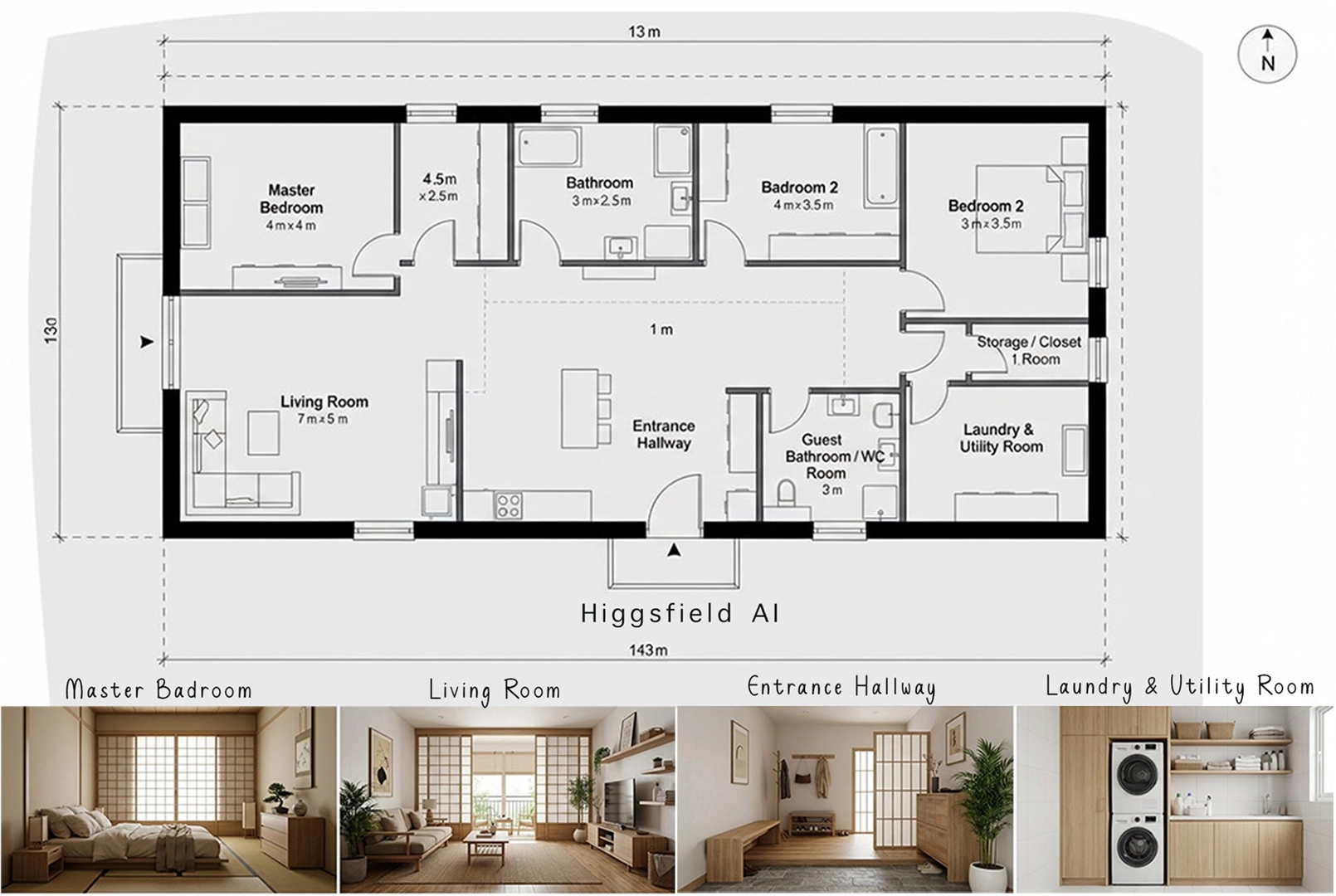
This enhanced toolset is being integrated across the Google ecosystem, from the Gemini app to professional products like Google Ads and Workspace. It empowers everyone, from casual users to pro marketers and designers.
The “Perfect Prompt” Formula for a New Era
Nano Banana Pro doesn’t require the hyper-technical prompts of 2023. The model now understands natural language far better, but still benefits from structured prompting.
A reliable framework should look like this:
[Subject + Adjectives] doing [Action] in [Location/Context].
[Composition/Camera Angle].
[Lighting/Atmosphere].
[Style/Media].
[Specific Constraint/Text].
This gives clear results without overcomplicating things, and Nano Banana Pro handles it really well.
Example breakdown:
- Subject: A translucent glass robot barista…
- Action: …pouring latte art…
- Location: …inside a cozy, cyberpunk coffee shop…
- Composition: …Macro close-up shot, shallow depth of field (f/1.8)…
- Lighting: …illuminated by neon pink and teal signage reflection…
- Style: …Cinematic 8k render, Octane render style.
- Text Constraint: The robot’s chest display reads “WAKE UP” in bold LCD font.
Result:

Source: Atlabs
How It’s Redefining the AI Image Generation Era
Nano Banana Pro is ushering in a new era by democratizing advanced creativity. What used to require expensive tools or expert skills is now available in the free Gemini app (with premium options for more usage). It’s not just faster — often generating images in seconds — but smarter, with richer visual reasoning and multimodal capabilities that handle complex ideas effortlessly.
Why Is It “Causing a Global Frenzy”?
According to Google data, after launching the Nano Banana feature, the Gemini app hit about 650 million monthly active users (MAU), up by 200 million in just a few months. This growth came mostly from Nano Banana’s appeal.
In short, Nano Banana’s draw has pulled more users to Gemini or added it to their favorite AI/LLM apps. Then, they stick around and continue using the app for other features or purposes beyond photo editing.
While this number is still below ChatGPT’s roughly 800 million users per week, the gap is being “narrowed” significantly.
This has changed Gemini’s user base: more and more young people and a higher female ratio, so it’s no longer as “male-skewed” as before. That includes huge growth in the 18-34 age group and a move toward more female users, as Woodward noted.
Obviously you can see, when a viral, easy-to-play, easy-to-share feature like selfie effects and photo editing appears, it naturally attracts groups that haven’t really tried AI or aren’t seriously into chatbots — especially young users, women, and those who love creative, cool, artistic photo play. That’s exactly what Google wants, since they’ve been concerned about young folks being “drawn” into or spending more time on apps like TikTok and/or other social media platforms.
This quietly helps Gemini grow not just in a single market, but internationally with ease. According to Woodward, one of the Nano Banana viral waves started in Thailand, then spread to Vietnam, Indonesia, and beyond. “That started in Thailand,” said Woodward. “There was an influencer who did it, and suddenly it jumped to Vietnam and Indonesia, and it was off to the races.”
The trend has spread globally, especially in Southeast Asia where there are many viral trends — for example, the “3D figurine” trend or “AI-saree” (turning selfie photos into cinematic, fashion-style portraits with very artistic lighting & style) — making online communities continuously share photos, try prompts, and compare results.
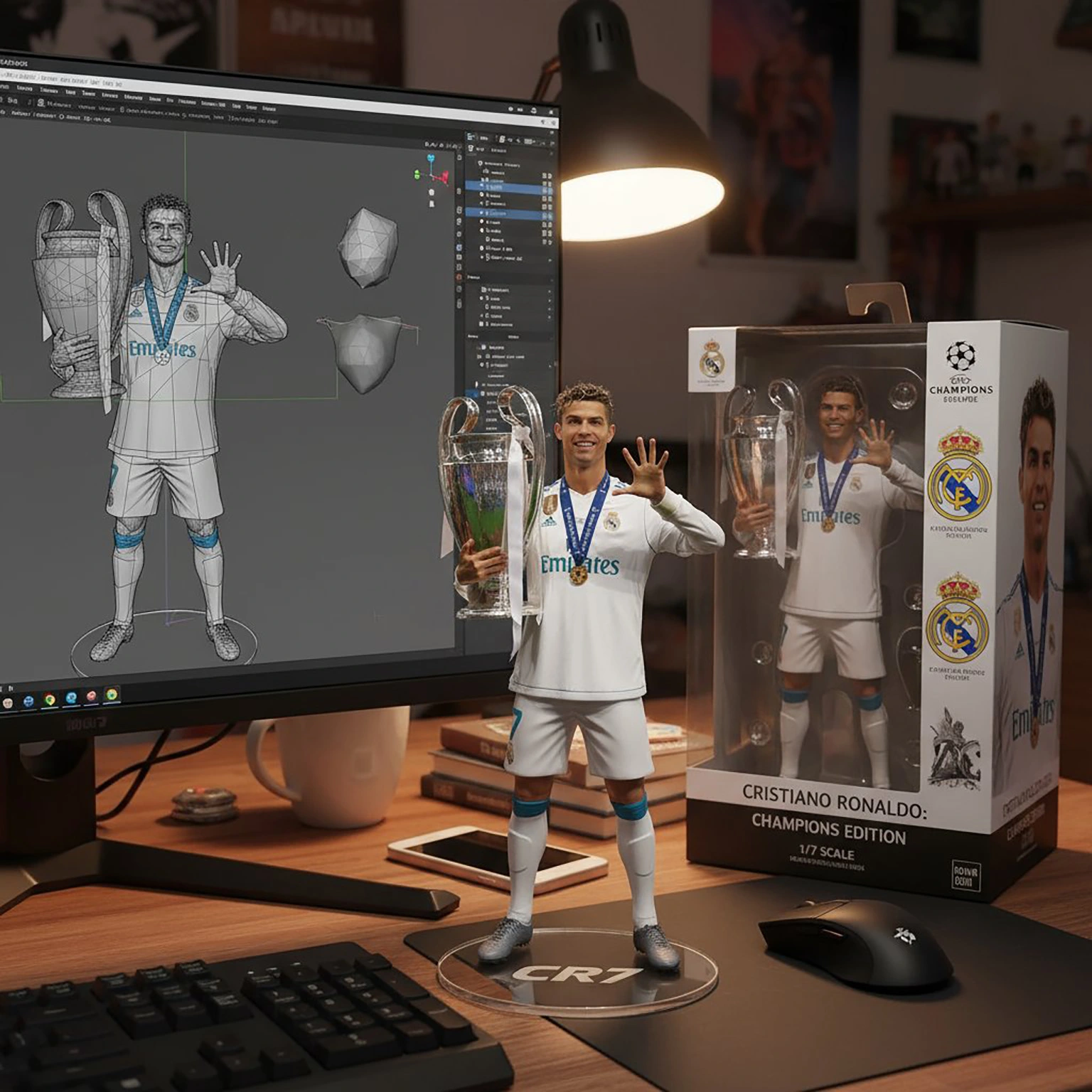
With Nano Banana Pro, the ability to create images like “professional graphics” (posters, infographics, 4K, multiple languages, multiple styles) expands the user base even more: not just photo editing enthusiasts, but also designers, marketers, creators, digital content makers. So, the spread is even faster.
Nano Banana Pro appearing in the Gemini app also makes it easier for everyday users to access by selecting the “Create images (Thinking)” mode.
In the context of “AI image & content generation” being extremely hot (competing with models from other companies), Nano Banana Pro helps Google score big. People feel like “everyone can be a designer/creator” just with a prompt. The ease of use plus high quality makes this a “phenomenon” in the digital community.
Additionally, Google is actively integrating this technology across its broader ecosystem — from advertising platforms like Google Ads, to productivity tools within Google Workspace, and even creative suites such as their AI Studio. By embedding Gemini’s capabilities directly into these products, Google enables advertisers, marketers, and designers to generate high-quality, production-ready image content with minimal effort.
The SynthID Layer
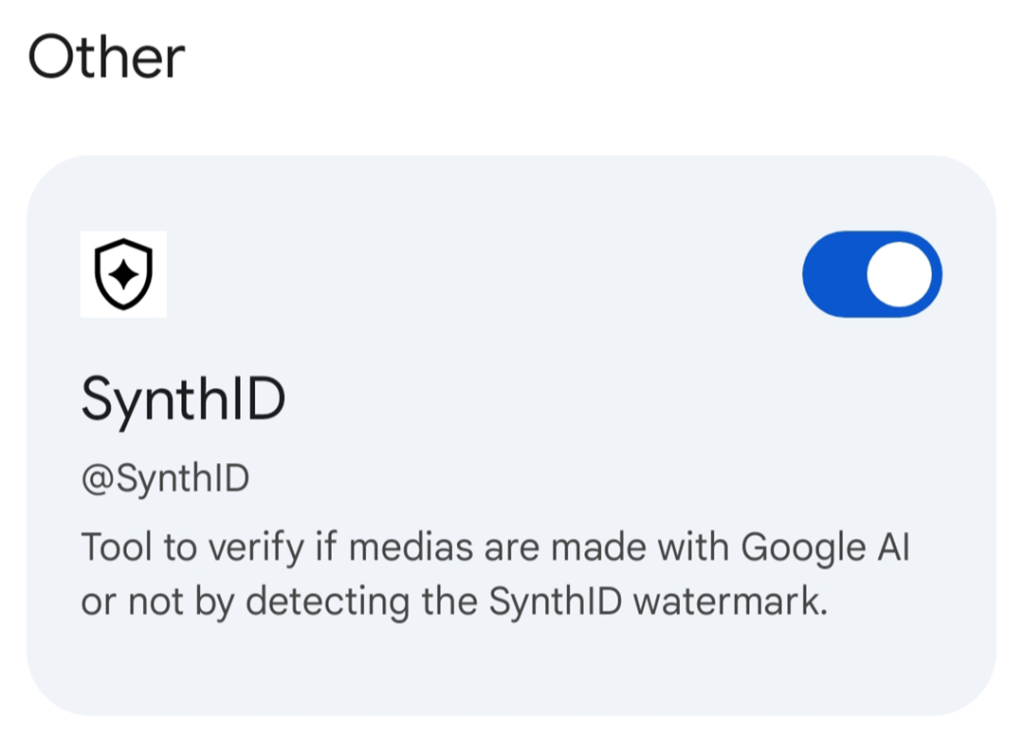
Google puts a strong focus on identifying AI-generated images. The company believes it’s important to know when an image was created by AI, so all media from their tools are embedded with an invisible digital watermark SynthID.
Today, Google gives their users a powerful verification tool. You can simply upload an image to the Gemini app and ask if it was created by Google AI, thanks to SynthID technology.
And in addition to SynthID, Google will maintain a visible watermark, the Gemini star icon, on images created by free users and Google AI Pro level to make them more detectable / easier to spot.
You can turn on this feature (SynthID) in Gemini’s settings.
However, recognizing the need for a clean visual canvas for professional work, Google removes the visible watermark from images created by Google AI Ultra subscribers and in the Google AI Studio development tool.
With Nano Banana Pro, people have a clear choice: the original Nano Banana for quick and fun editing, or Nano Banana Pro for complex works requiring the highest quality and visually sophisticated results. The launch of Nano Banana Pro marks an important step in bringing professional creative tools into everyone’s hands.
But Of Course, It’s Not Perfect
While Nano Banana Pro fixes some old issues (like text in images, sharpness, and character consistency), like any AI tool, it’s still not flawless.
Some limitations pointed out include:
- Sometimes images can lack naturalness, or the AI may “over-stylize” (like incorrect edits, or unintended outcomes). One test showed that editing a photo sometimes caused errors, like modifying an avatar to appear “nude” → suggesting the AI was “overly creative” in the wrong way.
- Google still tiers access/usage levels: free users have caps (limited number of image generations). If you’d like to use it frequently to produce lots of images or templates, you may need a “Pro”, “AI Plus,” or “Ultra” package for higher limits.
With its “easy to create, easy to go viral” nature, there’s potential for many fake images, overly edited photos, or misuse — just like with other AI tools. Users should consider and check carefully before posting, especially when using for commercial or official purposes.
Still, as with any AI model, quality depends heavily on prompt clarity, reference images, and user intent.
But taken as a whole, the leap from Nano Banana to Nano Banana Pro is significant and impressive.
Nano Banana vs. Nano Banana Pro: The Leap Forward at a Glance
| Featured | Nano Banana | Nano Banana Pro |
|---|---|---|
| Underlying Model | Gemini 2.5 Flash Image | Gemini 3 Pro Image |
| Resolution | ~1024px limit | 1K, 2K, or 4K levels |
| Aspect Ratios | Limited options | Flexible, including 1:1, 3:2, 16:9, 9:16, 21:9, 4:3, 4:5, custom like 4:1; adjustable mid-edit |
| Text Rendering | Often incoherent or garbled | Crisp, legible, correct spelling/formatting; supports multiple languages; flawless for sentences/paragraphs |
| Character Consistency | Basic | Strong; maintains appearance across images/styles |
| Reference Images | Limited (1-3) | Deep Context (Up to 14 inputs for blending) |
| Speed | Instant (<2 seconds) | Slower (Thinking process enabled) |
| Processing | Fast | Includes “Thinking” process for better reasoning and fixes |
| World Knowledge | General | Search-Grounded (Real-time facts) |
| Additional Capabilities | Basic web-search integration | Advanced, e.g., recipe lookups to flash cards |
| Use Cases | Fun, social media edits, memes, ideation, drafts | Professional: graphic design, content creation, data viz, UI mockups, ads, production assets |
| Watermarking | SynthID + visible for free/Pro | Same, but removable for Ultra/Studio |
The Verdict
Yes, Google really “did something,” and Nano Banana Pro is what’s causing the global frenzy.
With Nano Banana Pro, Google has delivered a more powerful, practical, and reliable AI image generation. This is more than just a fun new feature; it’s a foundational technology that is changing how people create and communicate visually.
The original Nano Banana made AI fun, but Nano Banana Pro makes it genuinely useful. By solving critical problems like text rendering and character consistency, Google has pushed the entire field forward. As this technology continues to expand across languages and cultures, its potential to become a truly universal creative tool is clear and undeniable. The viral sensation is just getting started.